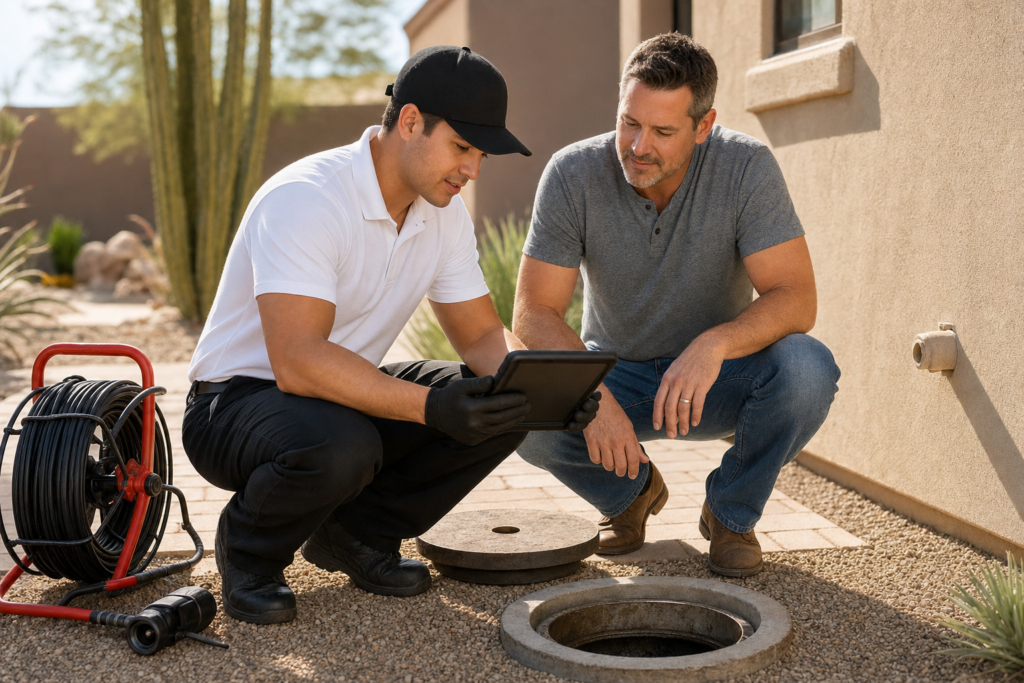
What to Ask About Follow-Up Support After Drain Cleaning in Phoenix
If you are scheduling drain cleaning or just had a technician leave your home, the most practical thing you can do right now is ask what happens next. Specifically: what follow-up support does the company provide if the drain starts acting up again? The answer you get — or do not get — tells you a lot about who you are working with.
This guide covers the specific questions worth asking your Phoenix drain cleaning company about follow-up support, what honest and reasonable answers typically sound like, and why certain questions matter more here in the Valley than they might in other parts of the country.
Why Follow-Up Questions Matter More Than Most Homeowners Realize
Drain cleaning resolves a blockage at that moment. It does not always resolve the reason the blockage formed. A grease buildup in a kitchen line is a different situation than a tree root growing into a cracked sewer pipe under your yard. Both can cause a slow drain. Both can be cleared with professional equipment. But only one of them is likely to come back within weeks.
Phoenix adds its own layer of complexity. Hard water with high mineral content can leave calcium and scale deposits inside drain lines over time. Caliche — the calcium carbonate-rich soil common throughout the Valley — can shift and settle around underground pipes, especially in older neighborhoods. Desert trees like ficus, mesquite, and citrus send roots deep and aggressively toward any source of moisture, including small cracks in sewer lines.
All of this means that asking about follow-up support is not being difficult. It is being smart. A company that welcomes these questions is showing confidence in the work they do.
Questions About Warranty and Follow-Up Coverage
Do You Offer Any Warranty or Follow-Up Support on This Drain Cleaning?
This is the most direct question to start with. You want to know whether the company stands behind the work and what that looks like in practice. A reasonable answer will include a specific timeframe and a clear explanation of what is covered.
What a good answer sounds like: The company names a defined period — whether that is 30 days, 60 days, or another window — and explains what would qualify for a follow-up visit. Broad, unspecific responses that offer no concrete details are worth noting.
Does the Type of Service Affect the Follow-Up Coverage?
There is a meaningful difference between a standard cable snaking and hydro jetting. Cable snaking uses a motorized auger to break through a blockage and restore flow. Hydro jetting uses high-pressure water to scour the inside of the pipe and remove buildup along the full length of the line. Because hydro jetting is a more thorough cleaning, follow-up coverage may differ between the two.
Ask your plumber whether the warranty or follow-up terms change depending on which method was used. This is especially relevant in Phoenix, where hard water mineral buildup inside pipes can contribute to recurring slow drains even after a successful cleaning.
What Exactly Is and Is Not Covered?
There is a difference between a workmanship warranty and a clog-free guarantee. A workmanship warranty means the company stands behind the quality of the service they performed. A clog-free guarantee means they are promising the drain will not clog again during a certain period — which can depend on factors outside anyone’s control, like what goes down the drain after the technician leaves.
Understanding what type of coverage is being offered helps you set realistic expectations. Neither type is automatically better. What matters is that the company explains the difference clearly and does not leave you guessing.
Questions About What Happens If the Drain Backs Up Again
Will You Come Back at No Additional Charge If the Same Drain Clogs During the Coverage Period?
This is the question most homeowners are really thinking about. If the drain backs up again next week, will the company send someone out — or will you be paying for the same service twice?
What a good answer sounds like: The company explains the specific conditions under which a return visit would be covered. They tell you whether it applies to the same drain, the same type of blockage, or broader coverage. They do not dodge the question or add so many qualifications that the coverage feels meaningless.
How Quickly Can You Respond If I Need a Follow-Up Visit?
A backed-up drain is disruptive. If you are dealing with a kitchen sink that will not drain or a shower that is backing up into the tub, waiting several days for a return visit is not a comfortable situation. Ask about typical availability for follow-up calls so you know what to expect.
Is After-Hours or Emergency Follow-Up Available?
Some drain problems do not wait for business hours. If a main sewer line backs up on a Saturday night, you want to know whether the company you hired has a way to handle that call. This is not about guaranteeing a specific response time — it is about knowing whether they are reachable.
Questions About Inspection and Diagnosis
Did You Perform a Camera Inspection, or Should We Schedule One?
A sewer camera inspection — sometimes called a video pipe inspection — involves sending a small camera through the drain line to see what the inside of the pipe looks like. It can reveal cracks, breaks, root intrusion, buildup, pipe bellies, and other conditions that a standard cleaning cannot fix.
Not every drain cleaning requires a camera inspection. But if you have had recurring clogs, if your home is older, or if the technician encountered something unusual while clearing the line, a camera inspection can provide answers that prevent you from paying for repeated cleanings when the real issue is structural.
Ask whether a camera inspection was performed, whether one is recommended, and whether it is included in the service or billed separately.
Did You Notice Anything That Could Cause the Drain to Clog Again?
This is one of the most valuable questions you can ask, and one that many homeowners skip. The technician who just cleared your drain has more information about what was in that pipe than anyone else. Ask them what they found.
The answer helps you understand whether the clog was lifestyle-caused — meaning it resulted from grease, hair, food waste, or other material going down the drain — or structural — meaning there is a physical problem with the pipe itself.
Two structural terms worth understanding:
- Pipe belly: A low spot or sag in an underground pipe where water and debris collect instead of flowing through. Common in older Phoenix homes where caliche soil has shifted over decades.
- Pipe offset: A misalignment where two sections of pipe no longer line up properly, creating a ledge that catches debris and causes recurring blockages.
If the technician identifies either of these conditions, a standard drain cleaning may clear the immediate blockage but will not resolve the underlying issue. Knowing this upfront helps you make an informed decision about next steps.
Were There Any Signs of Tree Root Intrusion?
In Phoenix, tree root intrusion is a common cause of recurring sewer line problems. Ficus, mesquite, and citrus trees — all common in Valley landscaping — send roots deep underground in search of moisture. Even a small crack or joint in a sewer line can attract root growth, and once roots enter the pipe, they tend to grow back after clearing.
If the technician found roots during the cleaning, ask what they recommend for ongoing management. In some cases, periodic clearing may be sufficient. In others, a repair or replacement of the affected section may be the more practical long-term solution. A licensed technician can evaluate the situation and explain the options.
Questions About Phoenix-Specific Conditions
How Does Phoenix Hard Water Affect My Drains Over Time?
Phoenix has some of the hardest water in the country. High concentrations of calcium and other minerals can leave scale deposits inside drain lines, gradually narrowing the pipe and reducing flow. This does not happen overnight, but over months and years, mineral buildup can contribute to slow drains and recurring clogs — even in pipes that are otherwise in good shape.
Ask your plumber whether they noticed significant mineral buildup during the cleaning and whether descaling or more frequent maintenance might help in your situation.
Could Soil Conditions Be Affecting My Pipes?
Caliche is a dense, calcium-rich layer of soil found throughout much of the Phoenix metro area. It is extremely hard when dry but can shift and settle when exposed to moisture over time. Underground sewer lines that run through caliche can develop bellies, offsets, or cracks as the soil around them moves — especially in older neighborhoods where the original pipe materials may have been clay or cast iron.
If your home was built before the 1990s and you are experiencing recurring drain problems, soil-related pipe movement is a possibility worth discussing with your plumber. A camera inspection is typically the most direct way to evaluate this.
Are There Local Disposal Practices That Help Prevent Clogs?
The City of Phoenix promotes a “Cease the Grease” initiative encouraging residents to keep cooking grease, fats, and oils out of the drain. These materials solidify inside pipes and are one of the most common causes of kitchen drain blockages in the Valley.
Simple practices that can help between professional cleanings:
- Wipe greasy pans with a paper towel before washing
- Collect cooking oil in a container and dispose of it in the trash
- Use drain screens in showers and tubs to catch hair
- Avoid flushing anything other than toilet paper
These are not substitutes for professional service when you need it, but they can help extend the time between cleanings and reduce the chance of a repeat clog caused by everyday habits.
Questions About Documentation and Ongoing Maintenance
Will I Receive Written Documentation of What Was Done?
A good service report gives you a record of what the technician found, what method was used to clear the blockage, and any recommendations for follow-up. This matters for three reasons: it helps you remember what was discussed, it gives you documentation if you need a follow-up visit under warranty, and it helps any future plumber understand your system’s history.
What a useful service report should include:
- Which drain or line was serviced
- What type of blockage was found
- What method was used to clear it
- Whether a camera inspection was performed and what it showed
- Any recommendations for additional service or monitoring
- The terms of any follow-up coverage or warranty
If the company does not provide written documentation, ask for it. You should not have to rely on memory for details that could affect future service decisions.
Do You Offer a Preventive Maintenance Plan?
Some plumbing companies offer maintenance plans or scheduled service agreements that include periodic drain cleaning at set intervals. These can make sense for homeowners with older plumbing systems, properties with known root intrusion issues, or homes where hard water buildup is a recurring factor.
Questions worth asking about any maintenance plan:
- What is included in each visit?
- How often are visits scheduled?
- Is there a discount compared with individual service calls?
- Can I cancel if I no longer need it?
- Does the plan include priority scheduling or after-hours availability?
A maintenance plan is not necessary for every home. But for properties with a history of recurring drain issues, it can be a reasonable way to stay ahead of problems rather than reacting to them.
What Should I Watch for Between Now and My Next Service?
Ask the technician what specific signs would indicate the drain needs attention again. This might include slow drainage that gets progressively worse, gurgling sounds from the drain, water backing up in another fixture when you run a sink or flush a toilet, or an unpleasant odor near a drain or cleanout.
Knowing what to watch for helps you catch a developing problem early — before it becomes an emergency.
One Question That Covers the Essentials
If you only have time for one question before the technician leaves, make it this one:
If this drain develops the same issue after today’s service, what kind of follow-up support does your company provide, and what can I expect from that process?
This single question covers warranty, return visit policy, and the company’s willingness to stand behind their work. The way a plumber answers it — clearly and specifically, or vaguely and defensively — tells you what kind of company you are working with.
How to Evaluate the Answers You Get
Asking the right questions only helps if you know what to do with the responses. Here are a few things to keep in mind:
- Specific is better than vague. A company that gives you a defined follow-up window tied to the type of cleaning performed is giving you something concrete. A company that tells you to reach out whenever without any defined terms is not.
- Written is better than verbal. If the company offers warranty or follow-up coverage, ask for it in writing. This protects both sides.
- Willingness to explain is a trust signal. A plumber who takes the time to walk you through what they found, what they did, and what you should watch for is demonstrating competence and respect. That matters more than any slogan.
- Honesty about limitations is a strength. A technician who tells you the drain is clear but flags early signs of root activity that may need monitoring down the road is giving you more useful information than one who simply declares everything fine and moves on. Honest diagnosis is what helps you make good decisions.
What This Looks Like at Fast Layne Plumbing
At Fast Layne Plumbing, we welcome every question on this list. We are a family-owned Phoenix plumbing company, and we built this business around doing things the way we would want them done in our own home: honest diagnosis, plain-English explanations, upfront pricing, and no unnecessary upsells.
When we clean a drain, we explain what we found, what we did, and what we recommend going forward. If a camera inspection makes sense, we say so and explain why. If the cleaning resolved the issue and no further work is needed, we say that too. We do not push services you do not need, and we do not leave you guessing about what happens next.
We answer the phone, we show up, and we treat your home with respect. That is how we operate on every call — first visit or follow-up.
If you have questions about drain cleaning follow-up support or want to schedule service, call Fast Layne Plumbing at 480.485.4659.
Frequently Asked Questions
What should drain cleaning follow-up support typically include?
At a minimum, follow-up support should include a defined coverage period, a clear explanation of what is covered, and a straightforward process for requesting a return visit if the same problem comes back. The specifics vary by company and by the type of service performed, so ask for details before or immediately after the work is done.
How long should a drain cleaning warranty last?
Warranty periods vary depending on the company, the type of cleaning performed, and the condition of the pipe. There is no single industry standard. What matters is that the company names a specific timeframe and explains what falls within coverage. If you are comparing companies, ask each one the same question and compare the clarity of their answers, not just the number of days.
What causes drains to clog again shortly after cleaning in Phoenix?
Several factors can contribute. Hard water mineral buildup can narrow pipes over time. Tree roots from desert species like ficus and mesquite can re-enter cracked or damaged sewer lines. Structural issues like pipe bellies or offsets can trap debris in the same spot repeatedly. And everyday habits — grease, hair, food waste, and non-flushable items — can rebuild a blockage if the underlying cause was lifestyle-related. A technician can help identify which factor is most likely in your situation.
Do I need a camera inspection after drain cleaning?
Not always. But a camera inspection is worth considering if you have had recurring clogs in the same drain, if your home is older and the pipe material is unknown, if the technician encountered resistance or unusual conditions during the cleaning, or if you want a clear picture of the pipe’s condition before deciding on further work. A licensed plumber can recommend whether an inspection makes sense based on what the cleaning revealed.
What should I do if my drain backs up again the day after cleaning?
Contact the company that performed the service and describe what is happening. If you are within the follow-up coverage period, the company should have a process for handling return visits. This is one reason it is valuable to ask about follow-up terms before or right after service — you already know what to expect and who to call.
Is a preventive maintenance plan worth it for Phoenix homeowners?
It depends on your home and your history. If you have older pipes, known root intrusion, hard water buildup, or a pattern of recurring drain problems, a maintenance plan can help you stay ahead of issues rather than reacting to them. If your plumbing system is newer and you have not experienced chronic problems, periodic service on an as-needed basis may be sufficient. Ask your plumber to help you evaluate whether a plan makes sense for your specific situation.