Tackling Geyser Pressure Control Valve Repairs Like a Pro
Geyser Pressure Control Valve Repair: What to Do First
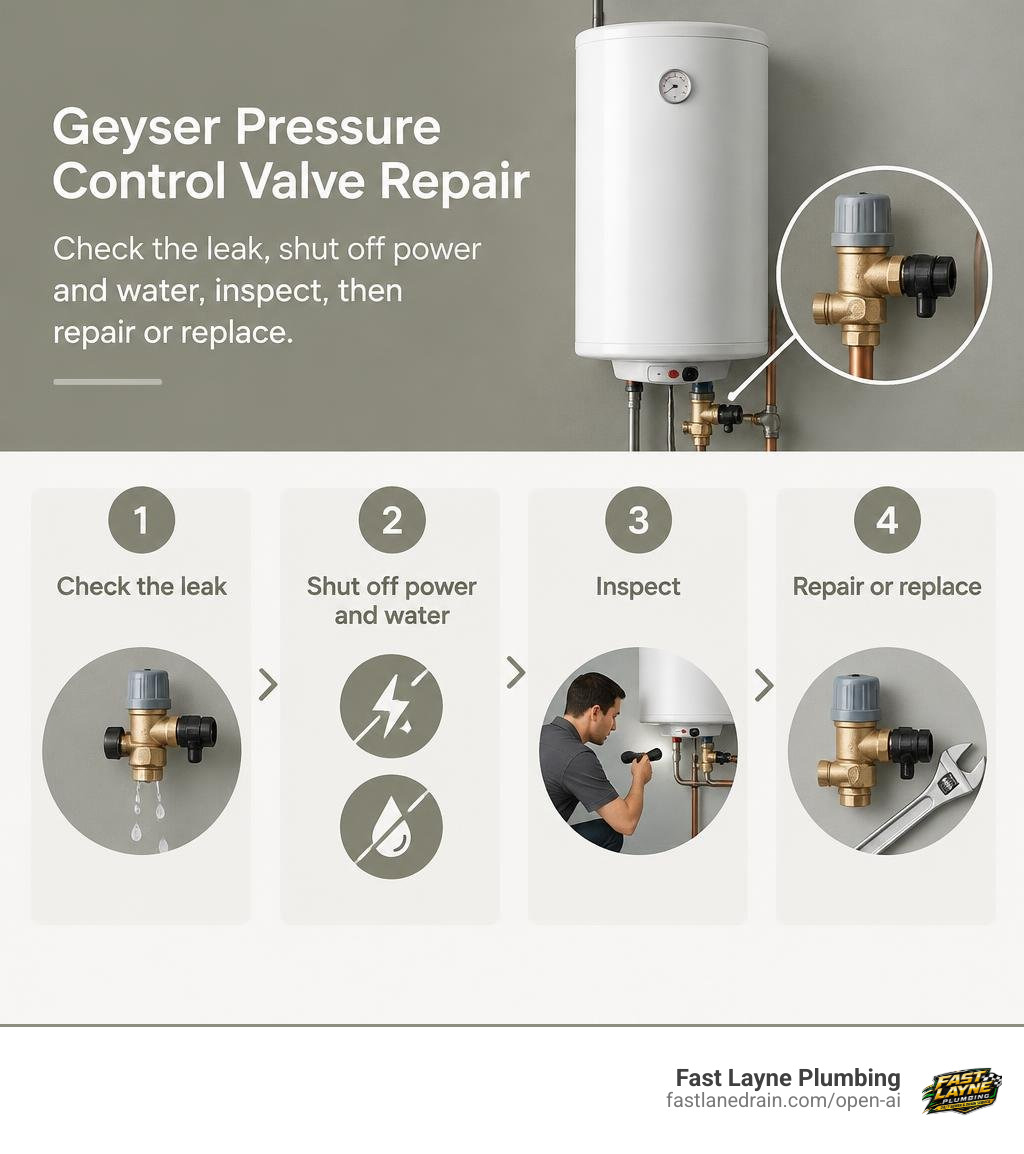
For geyser pressure control valve repair, first check whether the overflow drips only during heating or leaks steadily. A steady leak needs attention. If water is flowing continuously, switch off the geyser’s power and water supply, keep clear of hot discharge water, and call a qualified plumber. They can check the water pressure and look for debris or worn parts, then repair a serviceable valve or replace a damaged one with a valve rated for the geyser. The South African Bureau of Standards publishes installation and safety standards that cover pressure control valves for fixed electric storage water heating systems.
While geyser systems are common in South Africa, the same pressure-control principles apply to water heaters in the Phoenix, AZ area. If you notice a steady leak from your water heater’s pressure relief or expansion valve, Fast Layne Plumbing can diagnose the issue and provide fast, flat-rate repair or replacement. Our licensed plumbers are available 24/7 for emergency water-heater service.
How a Geyser Pressure Control Valve Operates
A geyser pressure control valve (PCV), often integrated as a multi-valve assembly, serves two critical roles: pressure reduction and thermal expansion relief. High-pressure municipal lines deliver water at variable, often aggressive rates. A standard electric geyser requires balanced incoming pressure to function safely.
Modern high-pressure geyser systems are designed to operate between 400 kPa and 600 kPa. Older low-pressure systems operate near 100 kPa, but these are rarely installed today. When cold water enters the system, the PCV steps down the mains supply pressure to match the specific working rating of the geyser tank.
Thermal expansion occurs whenever water heats up inside the closed cylinder. As water reaches operating temperatures (typically 55°C to 65°C), its volume expands by approximately 2%. In a standard 150-liter geyser, heating generates roughly 3 liters of expanded water volume. Without a mechanism to release this extra volume, the internal pressure would escalate rapidly, stressing the inner cylinder seams.
The pressure control valve incorporates an internal expansion relief seat that opens slightly during heating cycles to bleed off this excess volume. Matching the valve rating directly to the cylinder specification is essential; installing a 600 kPa valve on a 400 kPa rated tank risks catastrophic structural damage and voids manufacturer warranties. Installation standards outlined in the HouseCheck Technical Training Manual emphasize that proper pressure regulation is fundamental to both residential safety and component longevity.
Interacting Components: T&P Valves, Vacuum Breakers, and Drip Trays
A safe hot water system relies on several safety components working together alongside the pressure control valve:
- Temperature and Pressure (T&P) Safety Valve: Mounted directly on the geyser cylinder, this valve acts as the primary emergency safeguard. It opens if water temperature exceeds 93°C or if internal pressure exceeds design limits (typically rated higher than the PCV, such as 700 kPa to 1000 kPa).
- Vacuum Breakers: Mounted on both the cold-water inlet and hot-water outlet pipes, positioned roughly 30 cm above the geyser cylinder. These brass fittings prevent back-siphonage, ensuring water cannot drain out of the tank if municipal supply pressure drops, which protects the heating element from dry-burning.
- Geyser Drip Tray: Positioned beneath the water heater inside roof cavities. Since June 2001, safety standards mandate drip trays fitted with dedicated PVC waste drainage pipes (minimum 40 mm to 50 mm) discharging outside the building.
- Expansion Overflow Pipe: A dedicated copper line (typically 15 mm) routed from the PCV to vent harmlessly outside the building eaves.
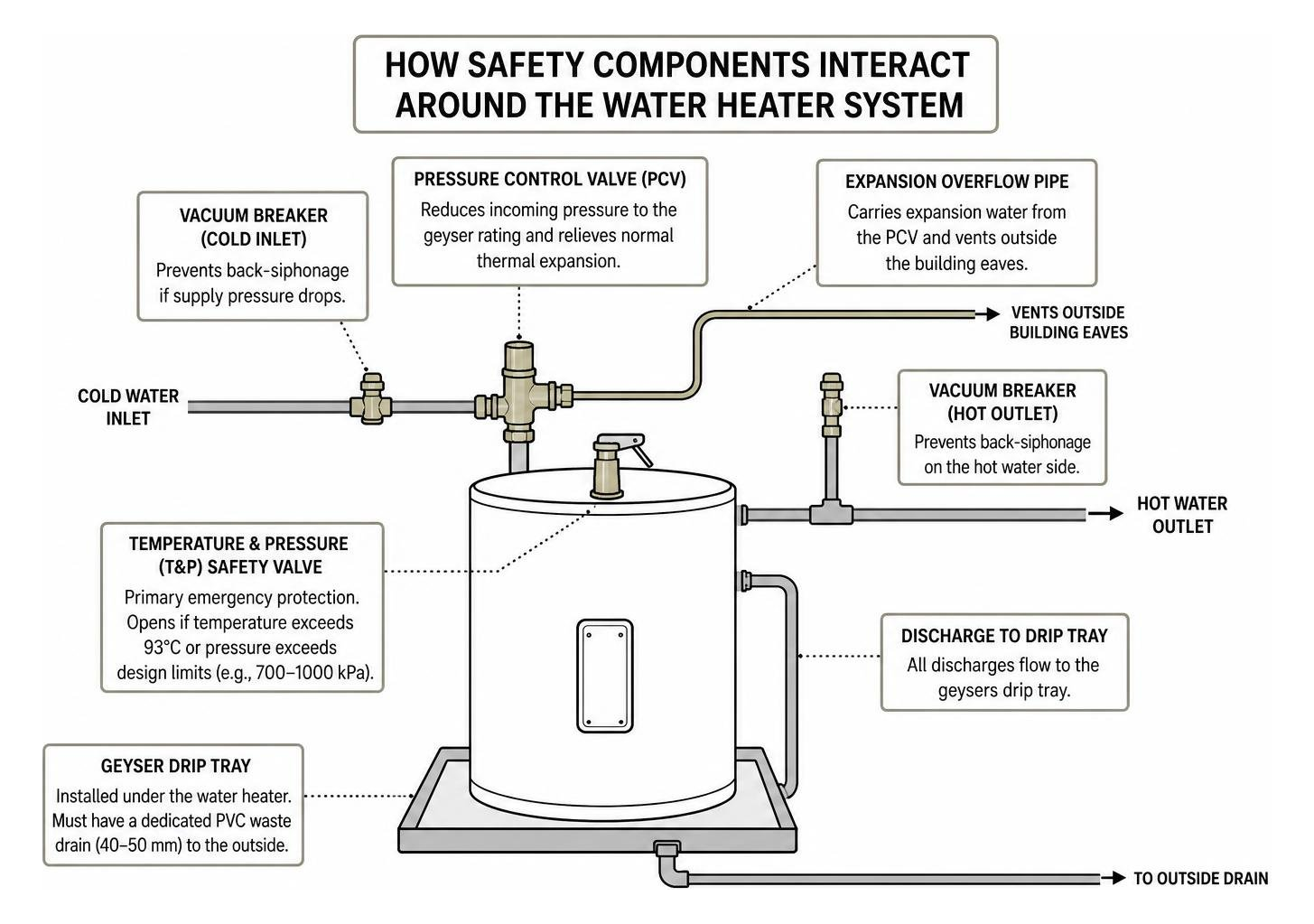
When every part is positioned correctly, the pressure control valve handles incoming regulation and normal thermal expansion, while the auxiliary valves remain in reserve for secondary protection.
Identifying Symptoms of a Faulty Pressure Control Valve
Because pressure control valves are engineered to bleed off excess water, distinguishing between normal operation and a component failure can be confusing.
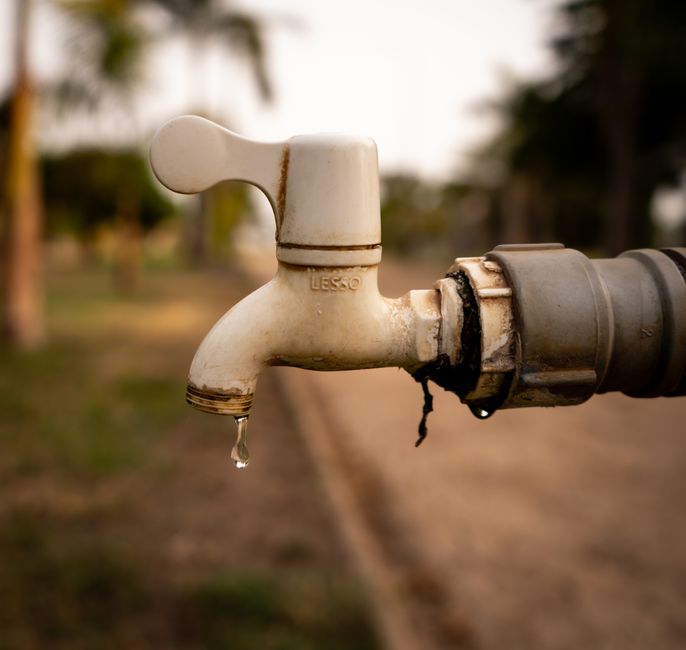
A functional PCV will release small amounts of water during an active heating cycle. However, a continuous stream, frequent cycling, or heavy dripping when the geyser is cold indicates a mechanical fault.
A faulty valve can waste up to 15 liters of water daily, amounting to 450 liters per month. If you are trying to decipher where a mystery roof leak originates, check whether the leaking discharge comes from the 15 mm PCV line, the 22 mm T&P valve pipe, or the larger drip tray waste.
To establish whether your discharge is standard or a sign of failure, execute a simple 30-minute bucket test:
- Locate the 15 mm copper overflow discharge point under your roof eaves.
- Place a clean measuring container directly under the pipe.
- Monitor the water collection over a standard 30-minute heating cycle.
- If you collect only a few drops or a minimal splash (less than 200 ml), the valve is operating normally. If the container collects measurable cups, fills multiple liters, or continues to discharge steadily when the geyser is idle, the valve requires service.
Diagnosing When You Need Geyser Pressure Control Valve Repair
Diagnosing an internal valve failure involves recognizing key operational symptoms:
- Worn or Perforated Diaphragm: The internal rubber diaphragm flexes against incoming pressure. Over time, rubber hardens, perishes, or tears. When this happens, the valve loses its ability to throttle incoming street pressure, leading to continuous discharge through the overflow line.
- Weak or Fatigued Spring: The internal calibrated stainless steel spring maintains counter-resistance against the seat. As metal fatigue sets in, the spring cracks or softens, allowing water to bypass the seal at lower pressures than intended.
- Trapped Debris and Mineral Grit: Municipal pipe repairs often send fine grit, sand, and rust flakes down the main supply. Debris caught between the valve plunger and the rubber seat prevents complete closure, causing a continuous leak.
- Fluctuating Household Water Pressure: If opening a cold tap elsewhere in the house causes your hot shower pressure to drop dramatically, or if you hear water hammer shuddering through the ceiling, the pressure regulating cartridge is failing to balance flow rates.
- Inconsistent Water Temperature: A jammed pressure control valve disrupts water flow through the cylinder, creating turbulence that mixes cold incoming water prematurely with stored hot water.
When you notice a steady overflow accompanied by these performance issues, addressing your overflowing geyser causes and fixes promptly prevents severe property damage.
Step-by-Step Geyser Pressure Control Valve Repair and Replacement
Working on pressurized hot water systems requires careful isolation and strict adherence to safety protocols. If you are troubleshooting a serviceable brass valve or replacing a worn unit, follow this structured process.

Required Tools and Equipment
- Adjustable pipe wrenches (2 large)
- Water pump pliers (multigrips)
- Shifting spanner set
- PTFE thread seal tape or plumbing hemp with paste
- Replacement valve cartridge or complete SABS-approved PCV assembly
- Clean bucket and drainage hose
- Wire brush and replacement mesh strainer screen
Repair and Replacement Sequence
- Isolate Electrical Power: Switch off the dedicated geyser circuit breaker on your main distribution board. Switch off the local electrical isolator switch located within 1 meter of the geyser. Never work on a system while the heating element is energized.
- Shut Off Cold Water Supply: Turn off the main water meter valve or the isolated cold-water stopcock feeding the geyser assembly.
- Relieve System Pressure: Open several hot-water taps inside the house (such as bath and basin taps) to drain residual pressure and hot water from the upper pipework.
- Inspect and Clean the Y-Strainer: Many PCV units feature an integrated upstream strainer. Unscrew the brass strainer plug using a shifting spanner. Remove the cylindrical mesh, clear out trapped sediment, scale, and grit, and flush it under clean water before reseating.
- Dismantle the Valve Body (Serviceable Units): If working on an older brass multi-valve, unscrew the top retaining bonnet. Extract the internal calibrated spring, spindle, and rubber diaphragm. Inspect the rubber seat for gouges, scale deposits, or tears.
- Install Repair Kit or Swap Cartridge: Replace the worn diaphragm, O-rings, and spring with an original equipment manufacturer (OEM) rebuild kit. Lubricate seals with plumbing-grade silicone grease. If working on a modern cartridge valve, unthread the faulty cartridge housing and thread in an exact replacement module.
- Complete Valve Replacement (If Required): If the valve casing is scored or corroded, support the connecting pipework with one wrench while unthreading the compression nuts on both the inlet and outlet sides with a second wrench. Remove the old unit, clean the copper pipe ends, apply PTFE tape to male threads, position the new PCV respecting the directional flow arrow, and tighten compression fittings securely.
- Connect Overflow Waste: Reattach the 15 mm copper expansion relief drain line, ensuring an uninterrupted downward slope toward the outside wall.
- Refill and Commission: Close the indoor hot water taps. Slowly open the main cold water supply valve to fill the geyser cylinder gradually without air hammer. Once water flows steadily from open taps without sputtering, close them.
- Leak Check and Power Restoration: Inspect all threaded joints and compression fittings for micro-seeps. Reactivate electrical power at the isolator and main board. Monitor the valve over a complete heating cycle to confirm normal expansion function.
Evaluating whether an issue is an isolated valve problem or a deeper structural failure is essential. Review our diagnostic breakdown on whether a leaking geyser needs repair or replacement before purchasing replacement components.
When to Repair vs. Replace the Valve
Deciding whether to rebuild internal parts or install an entirely new valve depends on valve age, casing integrity, and construction type.
| Decision Factor | Rebuild / Repair Existing Valve | Full Valve Replacement |
|---|---|---|
| Valve Age | Under 4 years old | Over 5–8 years old |
| Valve Body Material | Heavy cast brass with clean internal threads | Plastic-bodied composite or severely corroded brass |
| Internal Condition | Light scale, intact valve seat, minor grit | Scored brass seat, heavy calcification, metal pitting |
| Design Type | Traditional serviceable multi-valve with available rebuild kits | Sealed monobloc or obsolete cartridge system |
| Failure Mode | Minor drip from trapped sand or fatigued spring | Body fracture, thread wear, recurring seat leaks |
| Cost Efficiency | Lower parts cost if DIY or minor service call | Higher upfront part cost, but resets equipment lifespan |
Costs, Compliance, and Safety Standards
Hot water installations in South Africa are governed by national safety standards, specifically SANS 10254 (The installation, maintenance, replacement and repair of fixed electric storage water heating systems).
Under SANS 10254 regulations:
- The pressure control valve must match the geyser’s specified maximum operating pressure.
- A functional drip tray with an unblocked waste pipe discharging outside is mandatory.
- Vacuum breakers must be mounted at least 30 cm above the cylinder on both hot and cold lines.
- The T&P safety discharge line must be rigid copper or galvanized steel (never plastic) venting freely to the atmosphere.
- Any major repair, valve replacement, or new installation must be executed or supervised by a qualified plumber registered with the Plumbing Industry Registration Board (PIRB), who must issue an official Certificate of Compliance (CoC).
Non-compliant installations carry severe safety risks. A malfunctioning or bypassed pressure control valve can cause internal tank pressures to spike dramatically. If the T&P emergency relief also fails or is plumbed incorrectly, excessive pressure combined with high temperatures can cause catastrophic tank rupture, structural ceiling collapse, scalding, and extensive interior flooding. Insurance underwriters regularly reject property damage claims if the geyser installation lacks a valid PIRB Certificate of Compliance. Understanding the broader cost of fixing a burst geyser highlights why maintaining your safety valves is far more economical than dealing with structural ceiling failure.
Cost Factors for Professional Geyser Pressure Control Valve Repair
In South Africa, professional replacement of a geyser pressure control valve typically ranges between R1,800 and R3,500, covering both SABS-approved parts and qualified labour (excluding VAT).
Several variables influence the final investment:
- Valve Specification and Brand: Premium SABS-approved valves (such as Apex, Caleffi, or Cobra multi-valves) carry higher component costs than generic alternatives but provide reliable calibration and extended warranties.
- Accessibility: Valves situated in cramped, low-pitch ceiling cavities or distant roof corners require additional labour time compared to exterior ground-level installations.
- Pipework Upgrades: If an older installation has non-compliant galvanized piping, degraded copper fittings, or missing vacuum breakers, correcting these issues to meet current SANS 10254 standards adds to materials and labour.
- Timing and Emergency Callouts: Emergency after-hours or weekend repairs carry higher callout rates than scheduled weekday visits. For detailed pricing breakdowns across common repairs, explore these tips on local geyser repair costs.
Frequently Asked Questions About Pressure Valves
Is it normal for a geyser pressure control valve to drip?
Yes, intermittent dripping from the 15 mm copper overflow line during an active heating cycle is normal. As cold water heats up inside the cylinder, it expands by approximately 2% of its total volume. The PCV relieves this thermal expansion to protect the tank seams. However, if water drips continuously while the water is cold, or streams steadily out of the pipe, the valve is faulty and requires attention.
What happens if a geyser operates without a pressure control valve?
Operating an electric storage geyser without a functioning pressure control valve subjects the cylinder to full municipal mains pressure and uncontrolled thermal expansion spikes. This excessive pressure deforms internal welds, leads to premature tank rupture, blows out the element gasket, and voids manufacturer warranties.
How often should a pressure control valve be serviced?
A geyser pressure control valve should be inspected every 2 to 3 years as part of a routine water heater service. Routine maintenance includes cleaning the upstream Y-strainer mesh, testing spring tension, checking the sacrificial anode rod for depletion, and clearing mineral scale from the valve seat.
Conclusion
A geyser pressure control valve is an indispensable safety device that balances incoming municipal water pressure and safely manages thermal expansion. Recognizing the difference between normal heating discharge and continuous component failure ensures you can address leaks before they cause structural damage, wasted water, or tank failure.
Whenever you encounter continuous overflow leaks, water hammer, or pressure fluctuations, trust our licensed team at Fast Layne Plumbing for fast, flat-rate diagnostics and reliable repairs. Contact us today for compliant water heater repair services to keep your hot water system running smoothly and safely.