How Long Does It Take for a Plumber to Arrive in Phoenix for a Backup?
For drain and sewer backups in Phoenix, plumbers dispatched on an emergency or same-day basis aim to respond as quickly as possible — with timing that depends on several real factors specific to the Valley: where you are in the metro, what time of day you call, how busy the schedule is, and what type of backup you are dealing with.
This article breaks down what affects that timeline in Phoenix, how to tell whether your backup needs urgent attention, what you can do right now while you wait, and what the service process looks like once a plumber gets to your door.
Typical Arrival Times in Phoenix: A Realistic Breakdown
Not every plumbing call is handled on the same timeline. The type of service you need affects how quickly a plumber can be dispatched and how that call is prioritized.
Emergency and Same-Day Dispatch
When a backup is actively affecting your home — water coming up through drains, sewage smell spreading, or fixtures that are completely unusable — most reputable Phoenix plumbing companies treat that as a high-priority call. In these situations, a technician is dispatched as quickly as possible, with actual timing depending on technician availability and your location in the metro area. During slower periods or when a truck is already in your part of the Valley, response can be faster.
Standard Same-Day Service
If the situation is not immediately disruptive — for example, a single slow drain that has not backed up into the home — a same-day appointment may be scheduled within a broader window from the time you call. This is still prompt service, but the dispatch priority is different from a full backup.
Scheduled Appointments
For non-urgent concerns like preventive drain cleaning or a minor issue that is not getting worse, scheduling an appointment for a specific day and time is common. This is not the scenario most people have in mind when they search for backup help, but it is worth knowing that not every drain issue requires emergency dispatch.
What Affects How Quickly a Plumber Can Reach You in the Phoenix Metro
Phoenix is not a small city. The metro area covers hundreds of square miles, and real-world factors affect how fast any plumbing company can get a technician to your home. Here is what actually matters.
Your Location in the Valley
A homeowner in central Phoenix is a different drive than a homeowner near the edges of the metro. Traffic patterns on the I-10, Loop 101, and Loop 202 can add time during peak hours. If a technician is finishing a job on the opposite side of the Valley, the drive time alone can vary significantly depending on conditions. This is one of the biggest variables — and one that most plumbing websites never mention.
Time of Day and Day of Week
Calls that come in during normal business hours on a weekday tend to have faster response times because more technicians are already on the road. Evening, overnight, weekend, and holiday calls may take longer simply because fewer crews are actively dispatched. That does not mean help is unavailable — it means the window may be wider.
Seasonal Demand in Phoenix
Phoenix has its own plumbing calendar. Monsoon season brings sudden heavy rain that can overwhelm aging sewer lines and cause backups across the Valley, creating a surge in service calls. Extreme summer heat can also stress older plumbing systems. During these periods, wait times across the industry tend to increase because every plumbing company in the area is handling higher-than-normal call volume.
The Type of Backup You Are Dealing With
A main sewer line backup — where multiple drains in the house are affected or sewage is coming up through floor drains — is treated with higher urgency than a single clogged kitchen sink. When you call, describing what you are seeing helps the dispatcher prioritize your situation accurately. The more specific you can be, the better.
Is Your Backup a Plumbing Emergency? How to Tell
Not every backup is the same, and understanding the difference can help you communicate clearly when you call and set realistic expectations for the response.
Main Line Backup vs. Single-Fixture Backup
A main line backup affects the primary sewer line that carries waste from your entire home to the city sewer. When this line is blocked, multiple fixtures may back up at once — toilets, showers, and floor drains can all be affected. Water or waste may come up in places you would not expect. This type of backup generally warrants urgent attention.
A single-fixture backup usually means one drain is clogged — a kitchen sink, a bathroom drain, or a single toilet. While it is inconvenient and should be addressed, it typically does not carry the same urgency as a full main line issue.
Signs That May Indicate a More Urgent Situation
- Multiple drains in the home are slow or backing up at the same time
- Water or waste is coming up through a floor drain or shower drain
- There is a persistent sewage smell inside the home
- Flushing one toilet causes water to rise in another fixture
- The backup is getting worse despite not using any water
If you are seeing any of these signs, it is worth calling promptly and describing what is happening. A licensed technician can evaluate the situation and help determine the right next step.
What to Do Right Now While You Wait for the Plumber
If you have already called or are about to, here are practical steps you can take while waiting. None of these are repairs — they are simply ways to reduce the chance of the situation getting worse before help arrives.
- Stop using water in the home. Every flush, every faucet, and every appliance that uses water adds volume to a system that is not draining properly. Turn off the dishwasher and washing machine if they are running. Avoid flushing toilets. This is the single most helpful thing you can do.
- Locate your main water shutoff valve. In most Phoenix homes, the main shutoff is near the front of the house, often near the hose bib or in a utility area. If the backup is severe and water is actively rising, shutting off the main water supply can stop the flow. If you are not sure where yours is, this is a good thing to find out even before an emergency happens.
- Note the location of your outdoor sewer cleanout, if you know where it is. Many Phoenix homes have an outdoor sewer cleanout — a capped pipe, usually white or black, near the foundation or in the yard. If you know where it is, note the location and point it out to the technician when they arrive. Do not attempt to open or manipulate the cleanout yourself during an active backup — leave that work to the plumber.
- Keep people and pets away from affected areas. Backed-up water can contain waste and bacteria. Avoid walking through it or trying to clean it up in detail until the source of the backup has been addressed.
What Not to Do
- Do not pour chemical drain cleaners into a backed-up line. In a full backup situation, the chemical often sits in the pipe without reaching the blockage and can make the situation harder — and more hazardous — for the technician to work on.
- Do not attempt to clear a main sewer line yourself. Main line work involves professional equipment and, in some cases, accessing the sewer line in ways that require experience. Attempting it without the right tools can cause damage or injury.
- Do not ignore a backup that seems to stop on its own. A backup that appears to drain slowly may still indicate an underlying issue — a partial blockage, root intrusion, or a damaged section of pipe. The symptom may go away temporarily, but the problem often returns.
What to Expect When the Plumber Arrives
Knowing what the service process looks like can take some of the stress out of the situation, especially if this is your first time calling a plumber for a backup.
Initial Assessment
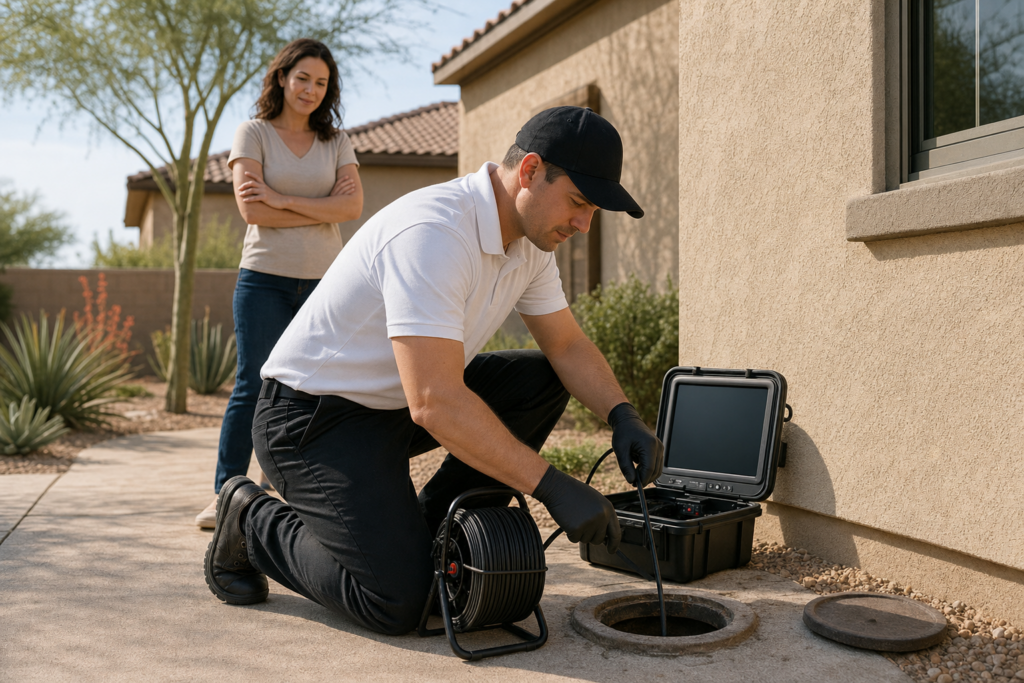
A good plumber starts by listening. They will ask you what you have been experiencing, when it started, and which fixtures are affected. They may run a quick visual check of the affected drains and, in many cases, recommend a camera inspection to see what is happening inside the line. This helps identify whether the issue may be a simple clog, a buildup of grease or scale, root intrusion, or a damaged section of pipe — a technician can evaluate and explain what they find.
Upfront Pricing Before Any Work Begins
At Fast Layne Plumbing, you will receive a clear explanation of the problem and upfront pricing before any work starts. That means no surprises on the bill. If the technician recommends drain cleaning, hydro jetting, or further diagnostics, you will know what it costs and why it is being recommended before you agree to anything. This is especially important for backups, where the scope of the problem may not be obvious until the line is inspected.
What the Service Might Involve
Depending on what the assessment reveals, the service could range from straightforward drain cleaning to more involved work like hydro jetting for heavy buildup, or sewer line repair if the line is damaged. A technician can walk you through the options in plain English so you understand what is happening and can make an informed decision. The right repair depends on what the inspection shows — not on a one-size-fits-all approach.
What Information Should You Have Ready When You Call
When you call a plumber about a backup, having a few details ready can help the dispatcher prioritize your call and send the right technician with the right equipment.
- Which fixtures are affected — one drain, multiple drains, or the whole house
- Whether water or waste is actively coming up through any drain
- When the problem started and whether it has been getting worse
- Whether you have noticed a sewage smell
- Whether you have tried anything already, such as a plunger or drain cleaner
- Your address and any gate or access details that affect arrival
You do not need to diagnose the problem yourself. The technician will handle that. But these details help the team understand what you are dealing with and respond accordingly.
Why Phoenix Homeowners Call Fast Layne Plumbing for Backups
A backup is one of the most stressful things a homeowner can deal with, and the last thing you need is uncertainty about whether the plumber will show up, what they will charge, or whether the repair is actually necessary.
Fast Layne Plumbing is a family-owned plumbing company serving Phoenix, AZ. We answer the phone, show up when we say we will, and explain the issue in plain English before any work begins. Pricing is upfront and honest. We do not upsell services you do not need, and we do not leave until the job is done and the work area is clean.
Whether it is a simple drain cleaning or a more involved sewer line issue, our approach is the same: find the real problem — not just the symptom — and give you clear options so you can make the right decision for your home.
Frequently Asked Questions
How fast can a plumber fix a backup?
It depends on the cause. A standard drain clog may be cleared relatively quickly once the technician is on-site. A main sewer line blockage that requires hydro jetting or camera inspection may take longer. In some cases, the inspection may reveal damage that requires a follow-up repair. A technician can give you a clearer timeline once the problem has been assessed.
Is a sewer backup considered a plumbing emergency?
In most cases, yes — especially if multiple fixtures are affected, water or waste is coming up through drains, or there is a strong sewage smell in the home. A main line backup that is actively affecting the home should be addressed promptly to reduce the risk of further disruption.
Does time of day affect how quickly a plumber can arrive?
It can. Calls during normal business hours on weekdays tend to have shorter response times because more technicians are on the road. Evening, weekend, and holiday calls may take longer depending on availability. During monsoon season or other high-demand periods, response times across the industry may increase.
What is a sewer cleanout and what should I do with it?
A sewer cleanout is a capped access point on your sewer line, usually located outside near the foundation. It allows a plumber to access the line directly for cleaning or inspection. If you know where yours is, note the location and point it out when the technician arrives. During an active backup, do not attempt to open or manipulate the cleanout yourself — leave that work to the plumber.
What should I do if my backup seems to go away on its own?
A backup that appears to resolve may still indicate a partial blockage, root intrusion, or a damaged section of pipe. Problems like these have a way of coming back — often at a more inconvenient time. Having the line inspected can help identify whether there is an underlying issue that should be addressed before it becomes a bigger problem.
Will the plumber give me a price before starting work?
At Fast Layne Plumbing, yes. You will receive an upfront price and a clear explanation of the recommended service before any work begins. You will never be surprised by the bill.
When You Are Ready to Call
If you are dealing with a backup in your Phoenix home right now — or if you have a recurring drain issue that keeps coming back — Fast Layne Plumbing can help. We will answer the phone, get a technician to your home, explain what is going on, and give you honest options with upfront pricing.
Call Fast Layne Plumbing at 480.485.4659 to schedule service or get same-day help.