Same-Day Drain Cleaning in Phoenix: What the Service Actually Involves and How to Choose Well
If you have a clogged or slow drain in your Phoenix home right now, same-day drain cleaning service is available across the metro area — and you do not need to wait days for help. The more useful question is what that service actually looks like, what it costs you in terms of time and process, and how to tell whether the company you call will handle the job honestly.
This guide walks through what same-day drain cleaning means in practice, what causes most drain problems in Phoenix specifically, what methods a plumber may use, and what you should expect from the moment you pick up the phone to the moment the technician leaves. Whether you are a homeowner, a landlord managing a rental, or a business owner dealing with a backed-up floor drain, the goal is the same: get the problem handled correctly by someone you can trust.
What Same-Day Drain Cleaning Actually Means
Same-day service means a licensed plumber can arrive at your home or business the same day you call — typically within a few hours, depending on scheduling and how many calls are already in the queue. It does not mean a technician materializes instantly, and it does not mean every company can guarantee a specific arrival window down to the minute.
What Affects Whether Same-Day Service Is Available
A few factors determine whether you can get a technician out the same day:
- When you call. Morning calls generally have a better chance of same-day scheduling than late-afternoon calls, simply because more of the day remains.
- Current demand. During high-demand periods — monsoon season, holidays, or stretches of extreme heat when plumbing systems are under more stress — availability may be tighter.
- The scope of the problem. A single slow kitchen drain and a full main sewer line backup require different levels of time and equipment. The dispatcher needs to understand what you are dealing with to schedule appropriately.
- Company size and service model. A local, owner-operated company that runs its own trucks in the Phoenix metro can often dispatch faster than a national chain routing calls through a centralized system.
When you call, ask directly whether someone can come out that day and what the scheduling window looks like. A straightforward answer tells you a lot about how the company operates.
Common Drain Problems in Phoenix Homes
Phoenix’s climate, water quality, and housing stock create specific conditions that affect how and why drains clog. Understanding these can help you describe the problem clearly when you call — and help you recognize when something may need more than a simple clearing.
Hard Water Mineral Buildup
Phoenix has some of the hardest water in the country. Calcium and magnesium are the primary dissolved minerals that gradually coat the interior surfaces of drain pipes as water passes through. That accumulation steadily reduces the usable diameter of the pipe, slows drainage, and creates rough surfaces where grease, soap residue, and debris are more likely to catch and build up. If your drains seem to slow down gradually rather than clogging suddenly, mineral scale could be a contributing factor.
Grease and Soap Residue
Kitchen sink clogs in Phoenix are frequently caused by grease, cooking oil, and food particles that solidify inside the drain line. Bathroom drains tend to accumulate soap scum combined with hair. These are common in any city, but Phoenix’s hard water accelerates the buildup because minerals bind with grease and soap to form stubborn deposits.
Root Intrusion
In older Phoenix neighborhoods — homes built from the 1950s through the early 2000s — mature trees and landscaping can send roots into aging sewer lines through small cracks or joint separations. Roots seek moisture, and a sewer line is an ideal source. Root intrusion can cause recurring slow drains, gurgling sounds, or full sewer backups. This is especially common in established neighborhoods with large trees close to the home’s foundation or sewer lateral.
Desert Debris and Soil Shifting
Phoenix’s desert environment means fine dust, sand, and landscape gravel can find their way into outdoor drains, cleanout access points, and floor drains in garages or patios. Additionally, the expansive clay soil common in parts of the Valley can shift seasonally, putting pressure on underground pipes and creating low spots where debris collects.
Single Drain Clog vs. Main Line Issue — How to Tell the Difference
This distinction matters because it changes what kind of service you need and how urgent the situation is.
- Single drain clog: Only one fixture is affected. Your kitchen sink is slow, but every other drain in the house works normally. This usually means the blockage is in the branch line connected to that specific fixture.
- Main line issue: Multiple fixtures are slow or backing up. You may hear gurgling from a toilet when you run the washing machine, or water backs up into a shower when you flush. These are signs that the blockage is deeper in the main sewer line that serves the entire house.
If you are experiencing backups in multiple fixtures or noticing sewage odors near floor drains or cleanouts, that typically warrants a same-day call. A single slow bathroom sink, while annoying, may not be an emergency — but it is still worth addressing before it becomes one.
The Main Drain Cleaning Methods and When Each One Applies
Not every clog requires the same approach. A good plumber chooses the method based on what the inspection reveals — not based on what is most expensive or most convenient to sell. Here is what each method involves and when it is typically appropriate.
Drain Snaking
A drain snake — also called an auger — is a flexible metal cable with a cutting or corkscrew tip that a plumber feeds into the drain line. A motorized drain snake rotates the cable to break through or pull out the blockage. This is the most common method for standard household clogs: hair buildup, grease plugs, food debris, or foreign objects stuck in a branch line.
Best for: single-drain clogs, soft blockages, hair and grease accumulation in bathroom and kitchen lines.
Limitations: Snaking clears the blockage but does not clean the pipe walls. If buildup has been accumulating for years, the clog may return faster because the pipe interior is still narrowed.
Hydro Jetting
Hydro jetting uses a specialized nozzle attached to a high-pressure water hose. The nozzle is inserted into the drain line and propels water at very high pressure — strong enough to scour grease, mineral scale, and even small root masses from the pipe walls. This method does not just punch through the clog; it cleans the full interior diameter of the pipe.
Best for: recurring clogs, heavy grease buildup, mineral scale accumulation, root intrusion in sewer lines, and situations where snaking has been done before but the problem keeps returning.
Limitations: Hydro jetting is not appropriate for every pipe. Older or damaged pipes may not be able to handle the water pressure safely. A reputable plumber will typically want to run a camera inspection first to confirm the pipe is structurally sound enough for jetting.
Sewer Camera Inspection
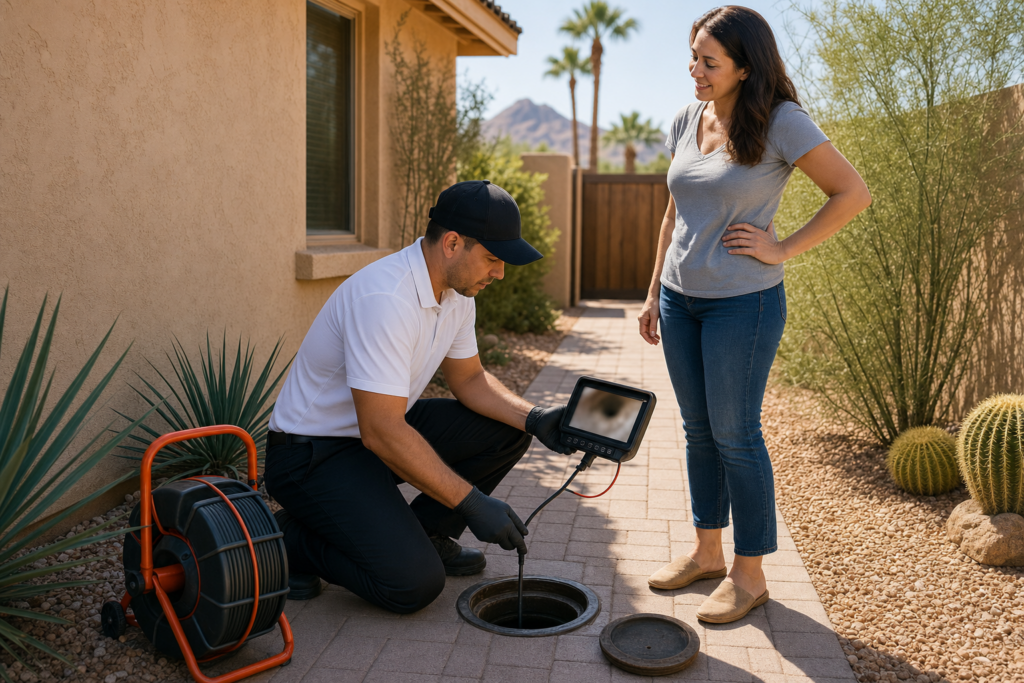
A sewer camera inspection involves inserting a small waterproof video camera into the drain or sewer line. The camera transmits a live feed so the technician can see exactly what is happening inside the pipe — where the blockage is, what it is made of, and whether there is any structural damage like cracks, root intrusion, bellied sections, or collapsed areas.
Best for: diagnosing the cause of recurring clogs, evaluating pipe condition before hydro jetting, locating the exact position and depth of a blockage, and determining whether the line needs repair rather than just cleaning.
A camera inspection is not always necessary for a straightforward one-time clog. But if you have had the same drain cleared more than once, or if multiple fixtures are involved, a camera inspection can reveal whether there is an underlying issue that cleaning alone will not resolve. It is also one of the best tools for giving you an honest picture of your drain system’s condition — no guesswork involved.
What to Expect During a Same-Day Drain Cleaning Visit
One of the biggest frustrations homeowners describe is not knowing what will happen when a plumber shows up. Here is what a well-run drain cleaning visit typically looks like, step by step.
The Phone Call
When you call, the dispatcher or office team should ask a few questions: which drain or drains are affected, what symptoms you are seeing, how long the issue has been going on, and whether you have tried anything already. This helps the technician arrive with the right equipment and a reasonable idea of what to expect.
What to have ready when you call:
- Which fixture or fixtures are slow or backed up
- Whether the problem is affecting one drain or multiple drains
- Whether you have noticed any odors, gurgling, or water backing up into other fixtures
- Whether this has happened before and what was done previously
- Where your main sewer cleanout is located, if you know (many Phoenix homes have a cleanout access point in the front yard or side yard)
Arrival and Assessment
The technician should arrive within the scheduled window, introduce themselves, and ask to see the problem firsthand. A good plumber does not start running equipment immediately. They assess the situation — checking which fixtures are affected, testing flow, and determining the most likely location of the blockage based on your home’s layout and plumbing configuration.
Explanation and Pricing Before Work Begins
Before any work starts, the technician should explain what they believe is happening, what method they recommend, and what it will cost. This is the step that separates an honest plumber from one who creates confusion to justify a higher bill. You should understand the diagnosis, the plan, and the price before anyone turns on a machine.
If the technician recommends a camera inspection to confirm a suspected issue — especially for main line problems or recurring clogs — that should also be explained and priced before it happens. No surprises on the bill is not a slogan; it is a basic expectation.
The Work Itself
Depending on the method used, the actual drain cleaning typically takes between 30 minutes and about an hour for a standard clog. Main line work or situations requiring hydro jetting may take longer. The technician should keep the work area as clean as possible and protect floors, fixtures, and surfaces.
After the Drain Is Cleared
Once the blockage is cleared, the technician should test the drain to confirm proper flow, explain what they found, and let you know whether they saw anything that suggests a deeper issue. If the clog was caused by something that is likely to recur — root intrusion, heavy mineral buildup, a pipe defect — they should explain that honestly so you can make an informed decision about what to do next.
A technician who cleans up after themselves, explains what they found in plain language, and leaves your home in the same condition they found it is doing the job right.
Questions Worth Asking Before You Book
These questions work regardless of which company you call. They help you evaluate whether the company is transparent, fair, and professional before anyone arrives at your home.
- Is there a diagnostic or trip fee, and is it applied toward the work? Some companies charge a fee just to show up. Others waive it if you proceed with the service. Knowing this upfront prevents surprises.
- Do you provide upfront pricing before starting work? The answer should be yes. If a company cannot tell you what the work will cost before they begin, that is a concern.
- What does the service include? Does the quoted price cover the full clearing, or are there additional charges for equipment, camera inspection, or follow-up work?
- What happens if the clog cannot be fully cleared? A good company will explain the next diagnostic step — typically a camera inspection — rather than leaving you with a partially solved problem and a full bill.
- Are your technicians licensed and insured? In Arizona, plumbing work requires proper licensing. This protects you and your property.
- Can you come out today? If same-day service is important to you, ask directly and get a realistic time window rather than a vague promise.
A Note on Store-Bought Drain Cleaners
Many homeowners try a bottle of chemical drain cleaner before calling a plumber. While these products can sometimes dissolve minor soft clogs, plumbers generally advise caution with repeated use. Chemical drain cleaners can corrode older pipes over time, especially in Phoenix homes with aging copper or galvanized steel plumbing. They also do not address the actual cause of recurring clogs — mineral buildup, root intrusion, or a pipe defect — and can give a temporary fix that masks a growing problem.
If you have already used a chemical drain product, let the technician know when they arrive. This is a safety consideration — certain chemicals can create hazardous reactions if mixed with other products or disturbed during the clearing process.
When a Drain Problem May Signal Something Bigger
Not every clogged drain is just a clogged drain. Some symptoms can indicate that the issue goes beyond what a standard cleaning can resolve:
- The same drain clogs repeatedly — even after professional cleaning — which could suggest a damaged or partially collapsed pipe section, root intrusion, or a bellied pipe where debris collects.
- Multiple fixtures back up at the same time, which may point to a main sewer line obstruction or damage.
- Sewage odors near drains, cleanouts, or the yard, which could indicate a break or separation in the sewer line.
- Wet spots or unusually green patches in the yard near where the sewer line runs, which may suggest a leak.
In these situations, a camera inspection is often the most useful next step. It lets the plumber see the condition of the pipe from the inside and provide a diagnosis based on what is actually happening — not a guess. If the inspection shows that the line needs repair rather than just cleaning, a good plumber will explain your options clearly, including the difference between traditional sewer repair and trenchless methods that can reduce disruption to your yard and landscaping.
What Landlords and Property Managers Should Know
If you manage rental properties in Phoenix, drain issues come with a different set of concerns. Tenants expect fast resolution — and rightfully so. A backed-up drain affects their daily life, and delays can create friction and damage trust.
A few things that help when you are managing drain calls for a rental:
- Ask for documentation. A plumber who can provide a written summary of what was found and what was done gives you a record for your files — and something to share with the tenant so they understand what happened.
- Pay attention to recurring issues. If the same unit or the same line has repeated clogs, a camera inspection may be worth the investment to determine whether there is a pipe condition that needs repair. Clearing the same clog three times is more expensive than finding and fixing the root cause once.
- Establish a relationship with a plumber you trust. When you have a company that already knows your properties, understands the plumbing layout, and communicates clearly, every service call goes more smoothly — for you and your tenants.
How Fast Layne Plumbing Approaches Same-Day Drain Cleaning in Phoenix
Fast Layne Plumbing is a family-owned plumbing company serving Phoenix, AZ. We answer the phone, we show up, and we explain what we find in plain English before any work begins.
Our approach to drain cleaning is built around honest diagnosis. When a technician arrives at your home, they assess the situation, explain what they believe is causing the problem, and provide upfront pricing before starting. If the issue calls for snaking, we snake it. If it calls for hydro jetting, we explain why and what it involves. If a camera inspection would help confirm what is going on inside the line, we offer that option and let you decide.
We do not upsell services you do not need. If a standard drain clearing solves the problem, that is what we do — and we tell you what we found so you understand your own plumbing better. If the inspection reveals something more serious, like root intrusion or pipe damage, we walk you through the options so you can make a clear, informed decision without pressure.
We treat every home with respect. That means protecting your floors, cleaning up after the work, and leaving your space the way we found it. It also means being honest when the situation is straightforward and being equally honest when it is not.
If you need drain cleaning in Phoenix today, give us a call at 480.485.4659. We will tell you what we can do and when we can get there — no runaround.
Frequently Asked Questions
How much does drain cleaning typically cost in Phoenix?
The cost of drain cleaning varies based on the method used, the location and severity of the clog, and whether additional diagnostics like a camera inspection are needed. A straightforward kitchen or bathroom drain clearing with a standard snake costs less than hydro jetting a main sewer line. The best way to get an accurate price is to call and describe your situation — a reputable company will provide upfront pricing before starting any work.
How long does professional drain cleaning take?
A standard drain clearing — a single clogged sink, shower, or toilet line — typically takes 30 minutes to about an hour. Main sewer line work or situations requiring hydro jetting may take longer, depending on the severity of the blockage and the length of pipe involved. Your technician should be able to give you a reasonable time estimate once they assess the situation on-site.
What is the difference between drain snaking and hydro jetting?
Drain snaking uses a rotating metal cable to break through or pull out a blockage. It is effective for most standard household clogs. Hydro jetting sends pressurized water through the full length of the pipe, stripping grease, mineral deposits, and accumulated debris from the pipe walls rather than simply forcing a path through the obstruction. Hydro jetting is typically recommended for recurring problems, heavy buildup, or root intrusion, and usually requires a camera inspection first to confirm the pipe can handle the pressure safely.
How do I know if I have a main line problem?
If multiple drains in your home are slow or backing up at the same time, or if you hear gurgling from one fixture when using another — for example, the toilet gurgles when you run the kitchen sink — that could indicate a main sewer line issue rather than an isolated clog. Sewage odors near floor drains or cleanout access points are another common sign. A licensed plumber can evaluate the situation and determine whether the problem is in a branch line or the main sewer line.
Is a camera inspection worth it?
For a one-time, straightforward clog, a camera inspection may not be necessary. But if you have recurring drain problems, if the plumber suspects root intrusion or pipe damage, or if multiple fixtures are affected, a camera inspection provides a clear picture of what is happening inside the line. It removes guesswork and helps you and your plumber make better decisions about what the line actually needs — whether that is a deeper cleaning, a repair, or just monitoring.
What should I tell the plumber when I call about a clogged drain?
Tell the dispatcher which drain or drains are affected, what symptoms you are seeing (slow flow, complete backup, gurgling, odors), how long the issue has been going on, and whether it has happened before. If you have used a chemical drain cleaner, mention that as well. The more detail you provide upfront, the better prepared the technician will be when they arrive.
What causes drains to clog repeatedly in the same spot?
Recurring clogs in the same drain can indicate a few things: persistent mineral scale narrowing the pipe (common in Phoenix due to hard water), a damaged or bellied pipe section where debris collects, root intrusion through cracks in the line, or a buildup pattern related to how the drain is used. A camera inspection is usually the most efficient way to determine the underlying cause so it can be addressed rather than just cleared again.
The Right Next Step
A clogged drain is not something you should have to stress about. When you work with a plumber who shows up, explains what they find, gives you honest pricing, and does the job right, the whole experience is different. That is what we aim for every time.
If you have a drain problem in Phoenix that needs attention today — or if you have questions about something you have been putting off — call Fast Layne Plumbing at 480.485.4659. We will walk you through what we can do and schedule a time that works.